

Badminton: Heat, Hedges
& History
Just half an hour’s drive from Pond Cottage lies one of the great historic estates of the Cotswolds: Badminton Estate, the Gloucestershire home of the Dukes of Beaufort for more than 340 years. The gardens are open to the public just three times a year, with the final opening of 2026 next weekend on 6 September. It seems a timely reminder of my rather enjoyable impromptu visit back in July.
For anybody in Gloucestershire and the surrounding area with a passion for gardening – or even just a passing interest – there was one major event this summer where you really had to be: the first RHS Badminton Flower Show, held in July in the grounds of the Badminton Estate.
It was, to put it mildly, a hot day. The heat during our visit was almost unbearable, so the large floral marquee, complete with cooling fans, became our refuge for much of the afternoon. It was also a dangerous place for the bank balance, with rather too many tempting plants on display that were hard to resist! Just as hard was the physical challenge of carting them all back to the car in the searing heat at the end of the afternoon.
The real star of the show however was outside: the Memorial Julie Rausing Garden. It was hard to believe that this was a newly created garden – the largest show garden ever created for an RHS event – rather than one that had been evolving for decades. The naturalistic planting looked completely at home in its setting, and the blend of grasses, perennials and drifts of colour was hugely inspirational as I continue to develop my own natural borders at Pond Cottage, reclaimed five years ago from the three-metre-wide wall of brambles that had been edging the meadows.
So imagine my delight when, the following week, Badminton Estate announced a rather special plant sale. Plants from the Julie Rausing Garden were being sold at knockdown prices to raise money for charity, Horatio’s Garden, with the added bonus of access to the Badminton gardens. It was an irresistible prospect: the chance to buy a few of the plants from the show garden that had inspired me the week before, while also having the opportunity to visit the formal gardens of Badminton House, which had provided such an opulent and intriguing backdrop to the show.
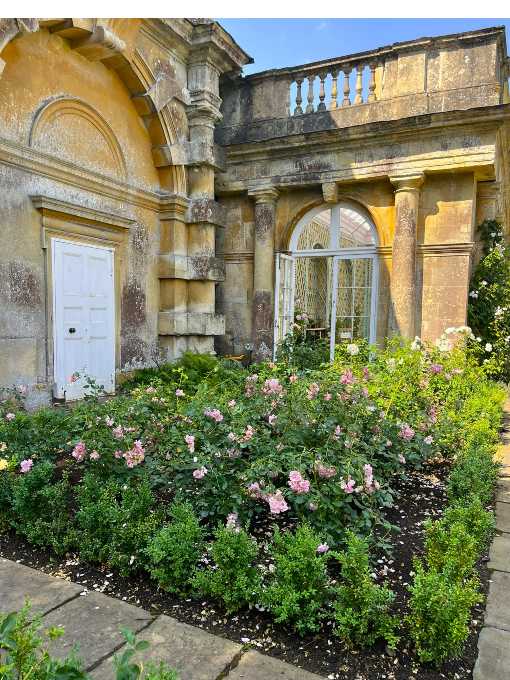
The House itself is what might be described colloquially as a “pile” – an imposing example of English Baroque architecture, built largely in the late 17th and early 18th centuries. Its grand symmetrical façade, honey-coloured Cotswold stone, with the stable court picked out in warm ochre, ornate stonework and impressive entrance steps are as important to the overall ambience as the formal gardens and surrounding parkland.
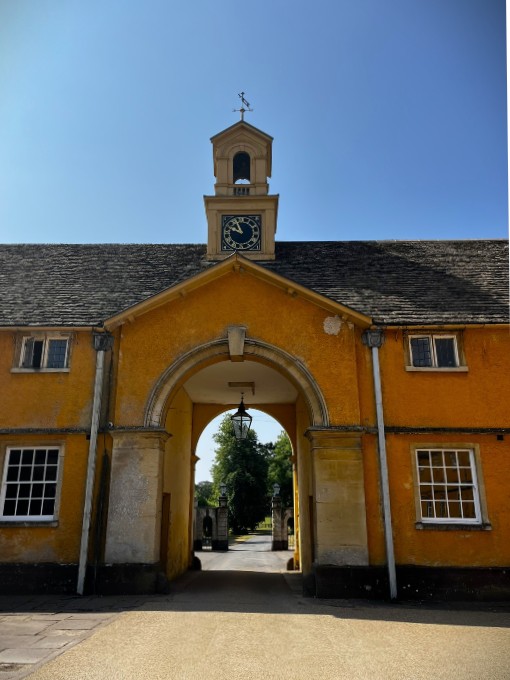
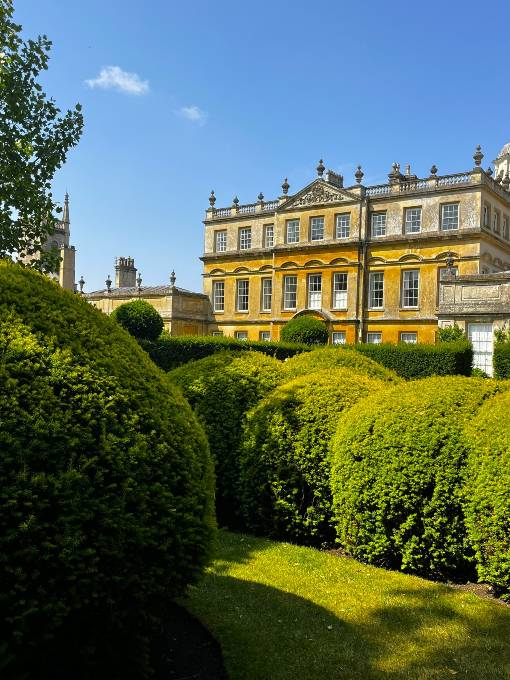
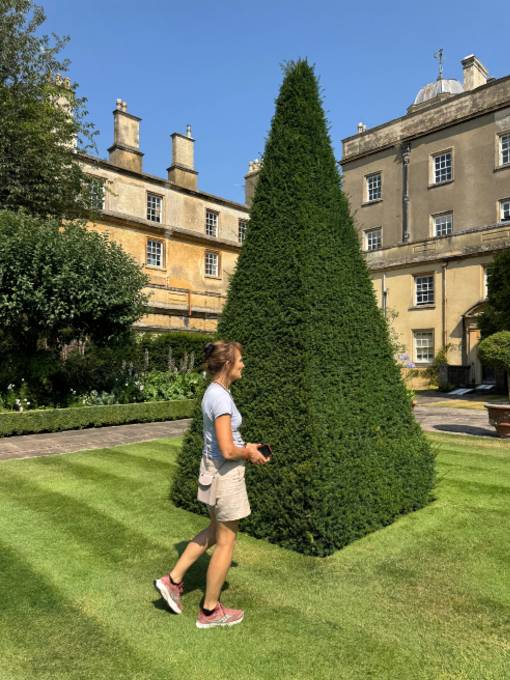
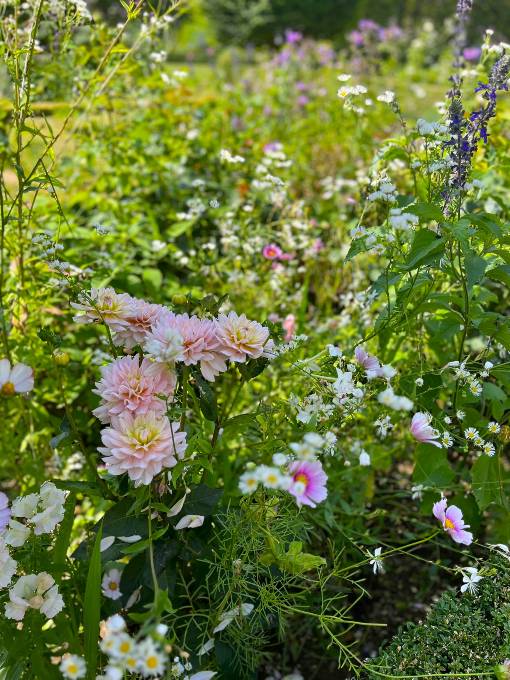
The gardens have centuries of horticultural history, beginning with the pioneering botanist Mary Somerset, 1st Duchess of Beaufort, in the late 17th century. Over the years they were shaped by some of England’s great garden designers, including Capability Brown, and more recently Russell Page and François Goffinet.
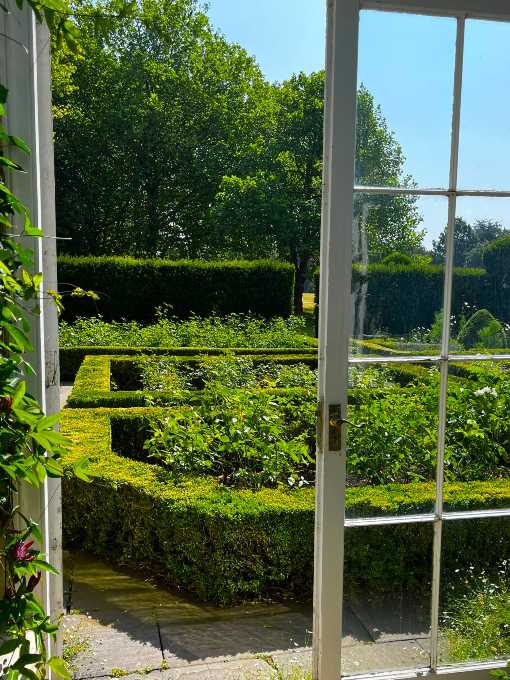
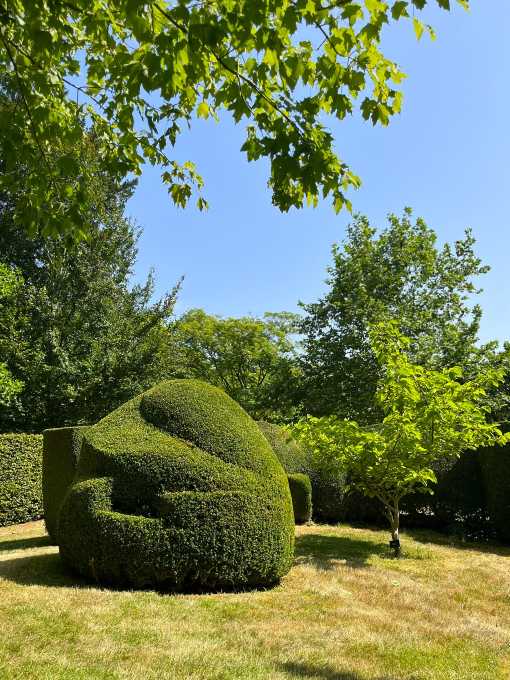
As a lover of topiary and well-clipped hedges – which is why I protect my box hedging and shapes so fiercely! – I particularly enjoyed the formal beds containing a profusion of roses and soft summer colours: a colourful chaos held in check by well-tended box hedging, all offset by green and stripey lawns despite the continued heatwave. There was no evidence here of a strategic abandonment of box hedging to the persistent box moth caterpillar, as seen in other historic gardens such as Painswick’s Rococo Gardens.
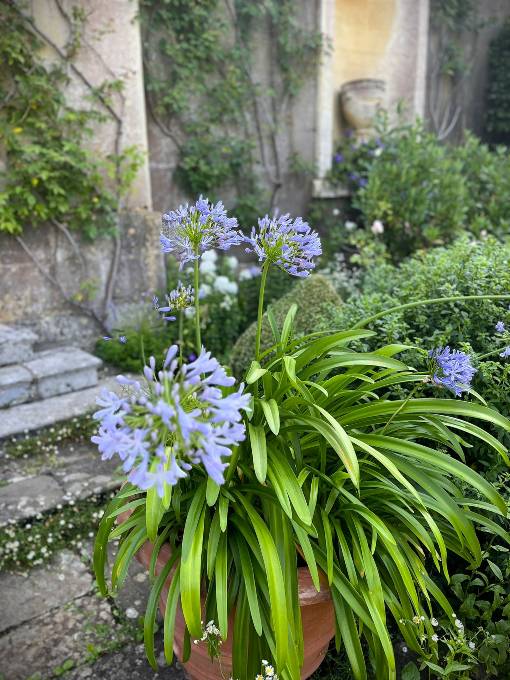
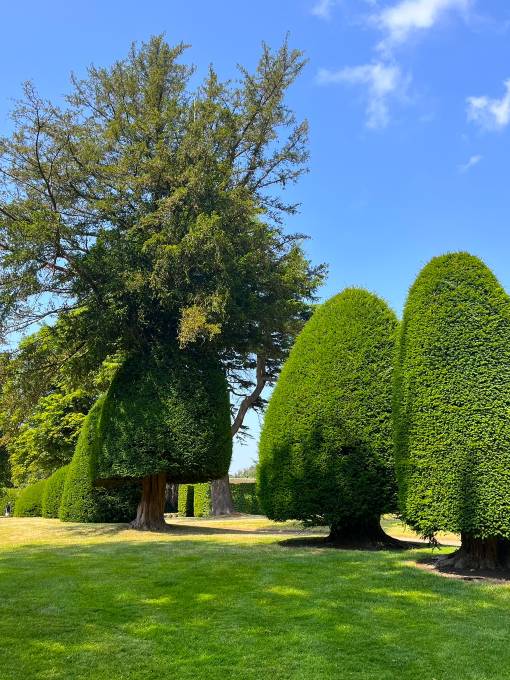
Also of note were the large, beautifully tended yew sculptures near the water fountain, stretching out into the surrounding parkland. To the east of the fountain stood the pet cemetery, a shady and rather poignant spot where the final resting place of much-loved canine companions have been marked with tombstones inscribed with their names. I also loved the little details: agapanthus in terracotta pots outside the church, with Mexican daisies spreading happily across the back of the stone steps – such a versatile and cheerful little flower, and so effective here.
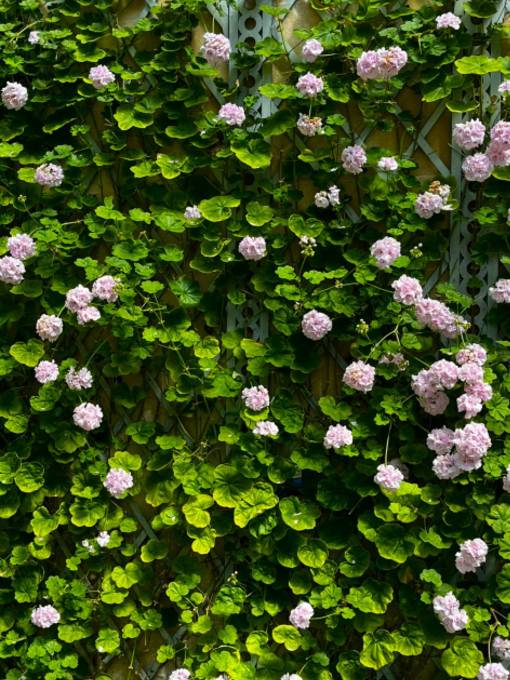
The pelargonium display in the greenhouse was another interesting aspect. At first sight, the climbing plant making its way up the wall looked like a small-flowered rose, but on closer inspection I realised it was a trailing pelargonium, patiently encouraged up a trellis.
While the beauty of the well-maintained gardens and early 18th-century architectural backdrop creates a stunning visual effect, Badminton isn’t just another tourist attraction. It is very much a working private estate and family home, and it is this continuity from the 17th century to the present day that offers visitors an intriguing glimpse into another world.
At the end of our visit we elected not to join the queues for refreshments with the other garden visitors, but instead enjoyed lunch in the garden of The Angel Café in Sherston, just 15 minutes away, on our way home – with our new Rausing Garden plants bobbing around behind our heads in the back of the car.
If a more formal cream tea appeals (as it did after our visit to the RHS Flower Show), a detour via Tetbury and The Close Hotel rounded off the day perfectly, with traditional afternoon cream tea served in the hotel’s pretty garden at the back.
1st September 2026