Canal, Coast and Quiet Heritage
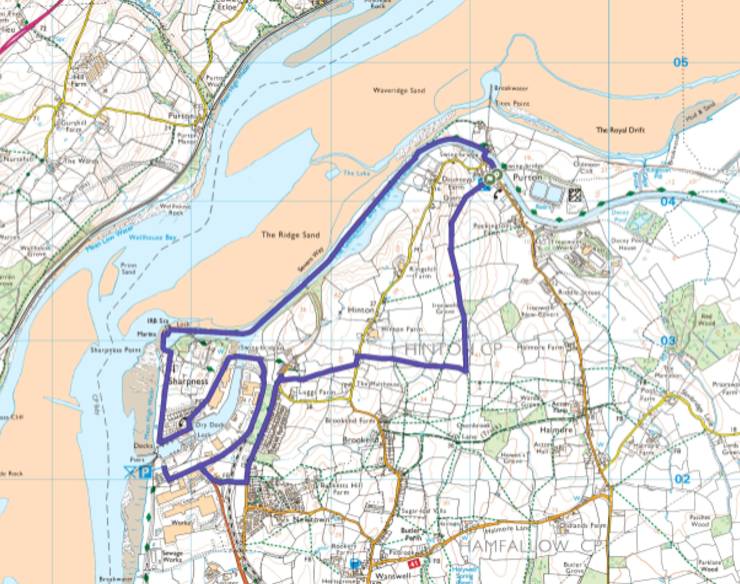
There’s something deeply satisfying about a walk that brings together wide skies, still water and a sense of history, and this 11km route from Purton to Sharpness – just 5km from Pond Cottage – delivers all three.
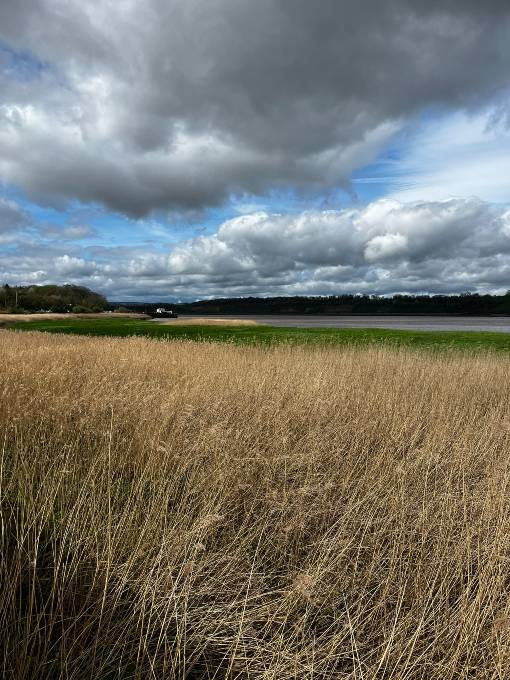
This stretch of the Gloucester and Sharpness Canal closely follows the River Severn and was one of the first walks I did after moving to the Berkeley Vale in the late 1980s (can it really be that long ago?). It’s been a favourite ever since—whether for an early morning run or an evening stroll watching the sun set in the west. Flat and easy underfoot, it’s a walk for all seasons, with time to notice the details: marine bird life on the Severn, geese or swans flying overhead, the occasional narrowboat slipping by, and big skies opening out towards the estuary.
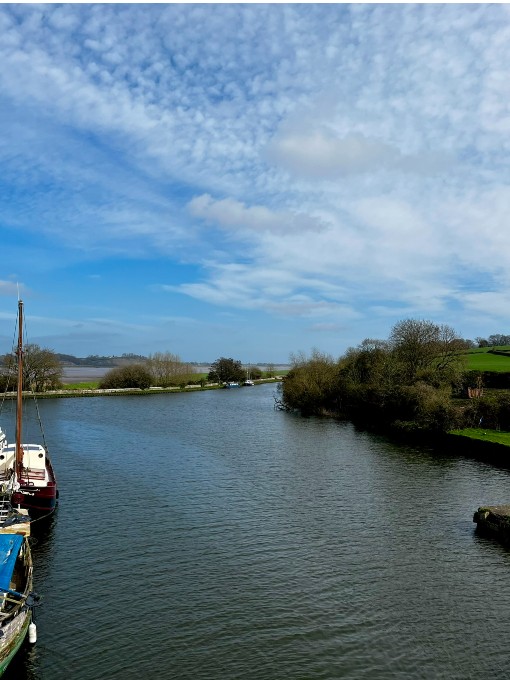
Starting in the village of Purton, the route joins the canal—one of the great engineering feats of the early 19th century, built to bypass the hazardous upper reaches of the Severn. Once the widest and deepest canal in England, it carried seagoing ships loaded with grain, timber, wine and other imports destined for the Midlands. Today, the traffic is mostly leisure craft, and the canal’s calm, straight waters contrast sharply with the tidal river just beyond the embankment.
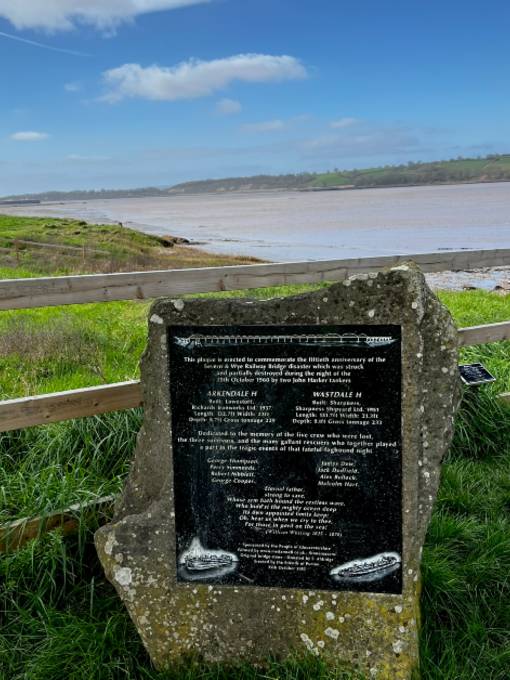
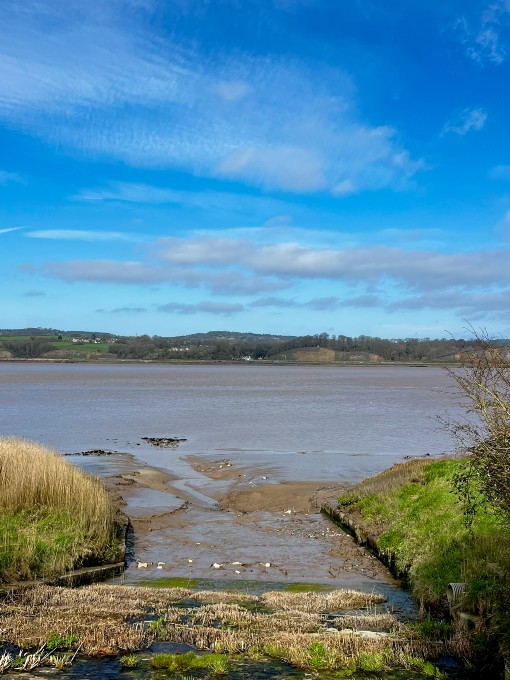
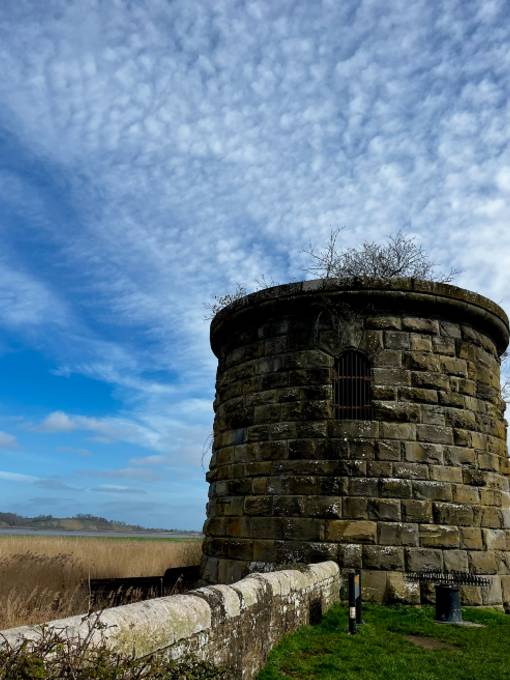
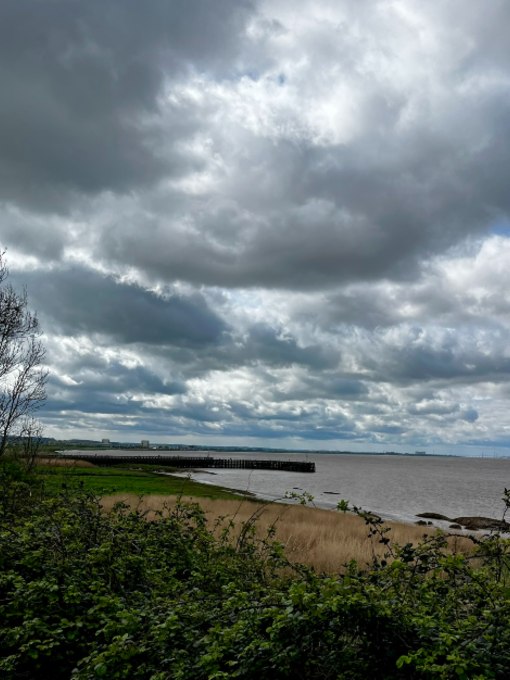
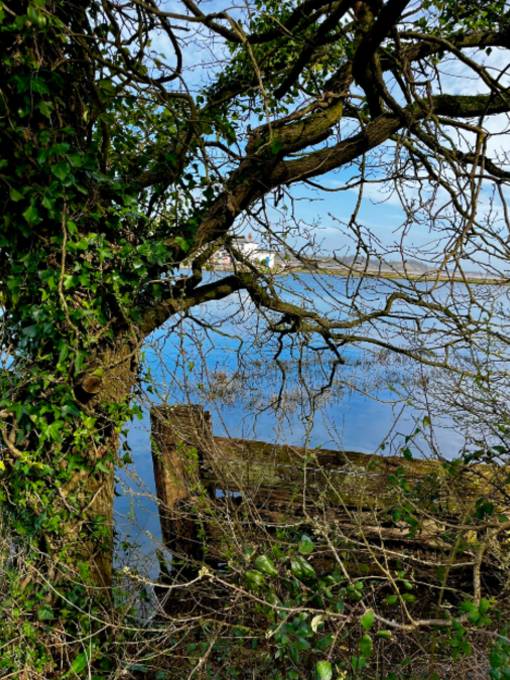
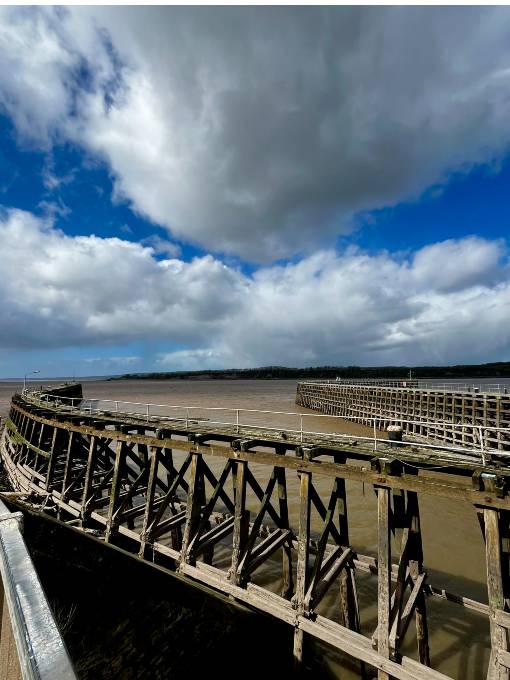
Crossing one of the swing bridges, you pick up the Severn Way, a 215-mile route from the source of the river in Powys in Wales to Severn Beach near Bristol. Shortly after a row of houses, a plaque commemorates the Severn Railway Bridge disaster, when two oil tankers collided with the bridge in thick fog, causing an explosion that destroyed part of the structure and claimed five lives—just minutes after the last train had crossed. At low tide, remnants of the bridge are still visible in the river. Further on, the route along the towpath passes the surviving piers and a model of the bridge.
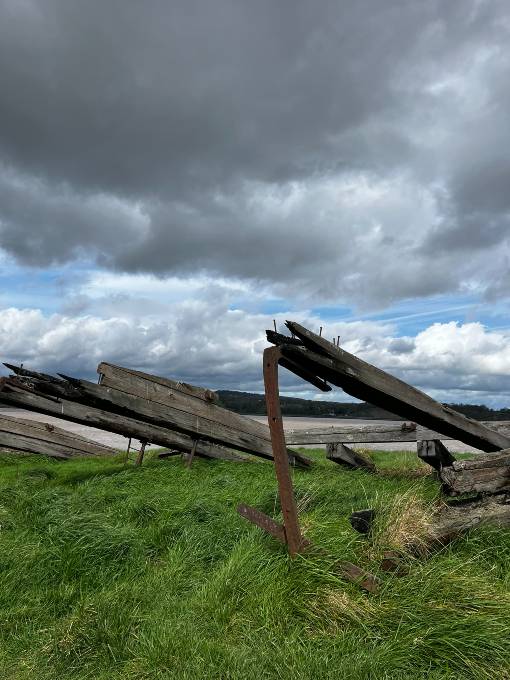
A short detour down to the riverbank brings you to one of the area’s most striking sights: the Purton Ships’ Graveyard. Dozens of abandoned vessels lie half-submerged along the foreshore, deliberately beached over the years to protect the canal bank from erosion. It’s the largest collection of its kind in mainland Britain, and there’s something quietly atmospheric about these decaying hulls, slowly merging back into the landscape. It’s also a fine spot to get close to the river—and to watch the sun go down.
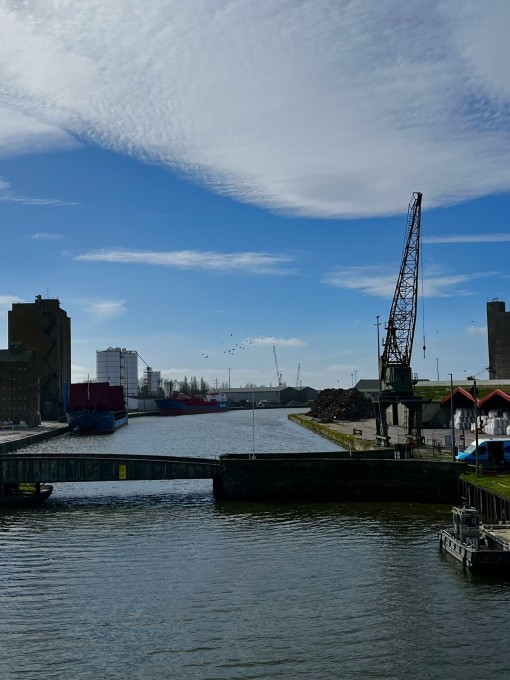
Further on, the landscape opens out as you approach Sharpness Docks, where canal meets river. The docks still operate, albeit at a gentler pace. Imports include cement, fertiliser and grain, while scrap metal is a key export. Small coastal vessels continue to pass through the lock, echoing the canal’s long trading history—still a gateway to the inland waterways.
It’s worth pausing here to explore the harbour and lock gates, and perhaps stop at the Sharpness Dockers Club for simple refreshments with expansive views across the Severn.
For the return, public footpaths lead back towards Purton through open farmland and along a higher ridge giving views of the river before dropping back into the village. This is a quiet route combining natural beauty with a strong sense of industrial past, rarely busy at any time of year.