

A Saturday in Stroud
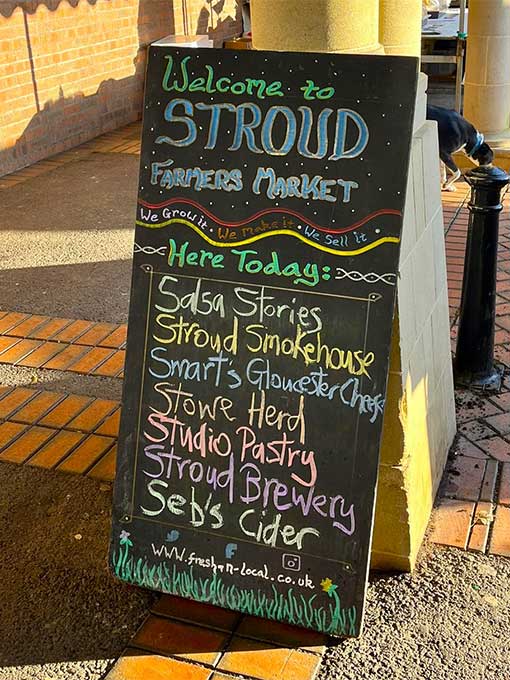
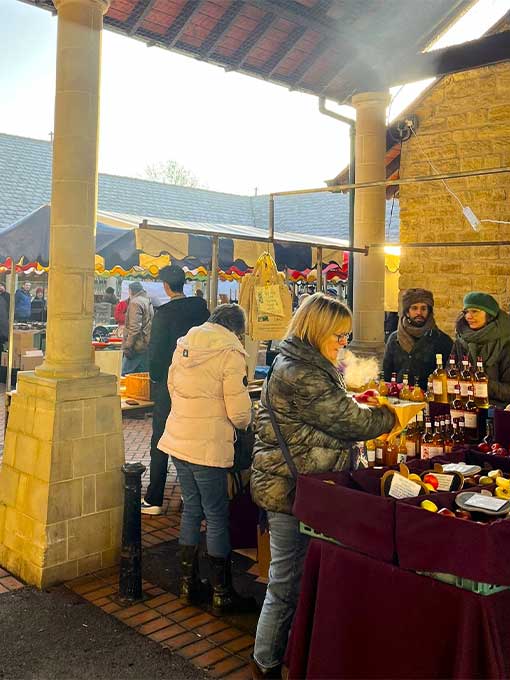
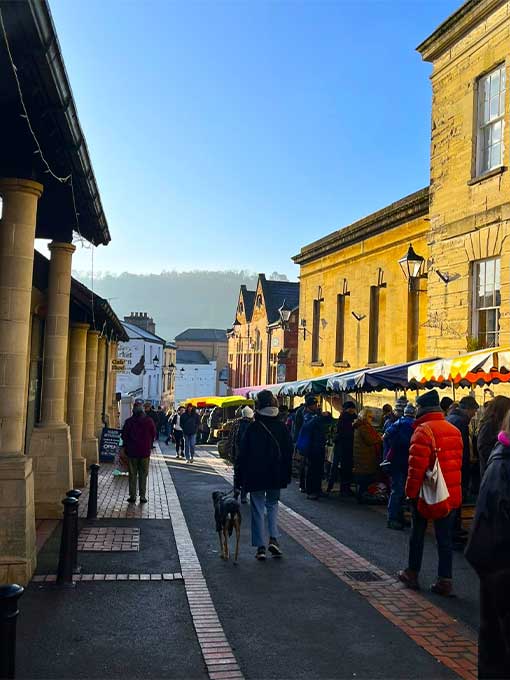
The best time to visit Stroud is on a Saturday morning, when the town comes alive around its award-winning Farmers’ Market. One of the largest and busiest in the UK, it was named one of the seven best farmers’ markets by The Times in 2023.
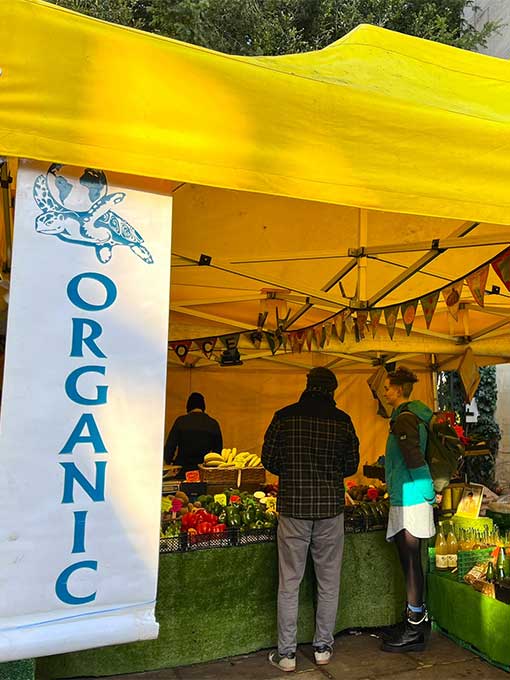
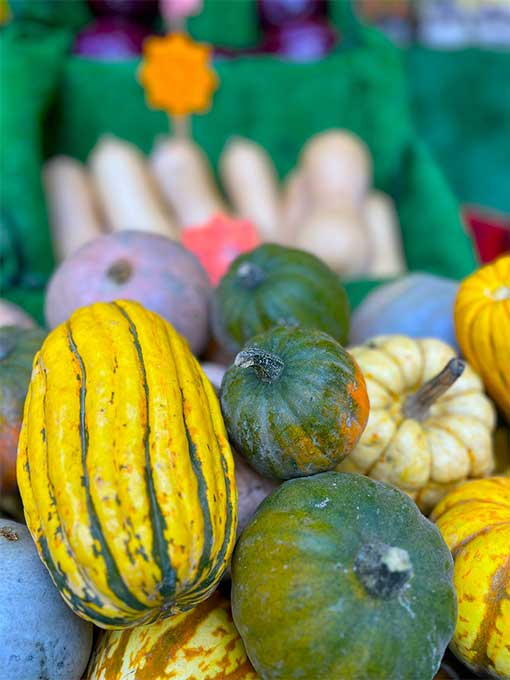
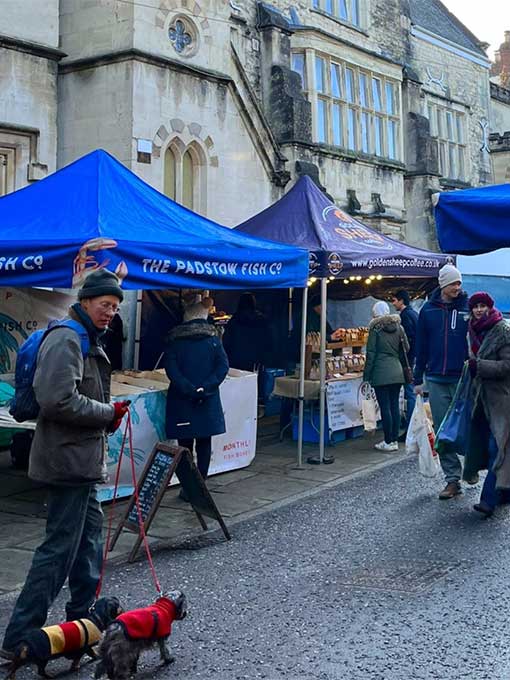
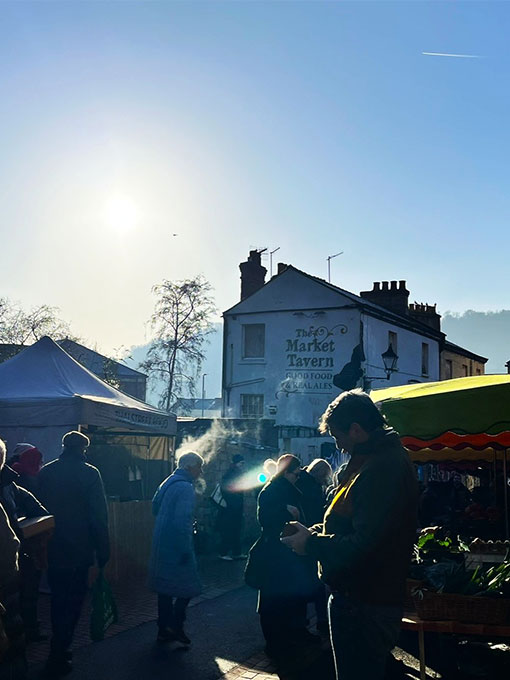
Based around the Cornhill Marketplace, around 50 stalls spill out along nearby streets, selling local produce, crafts and street food. There’s live music on street corners, buzzing cafés, and the smoky aroma of street food drifting through the air. It’s a wonderfully mixed crowd — locals, visitors, families, dogs — all adding to the relaxed, carnival-like atmosphere.
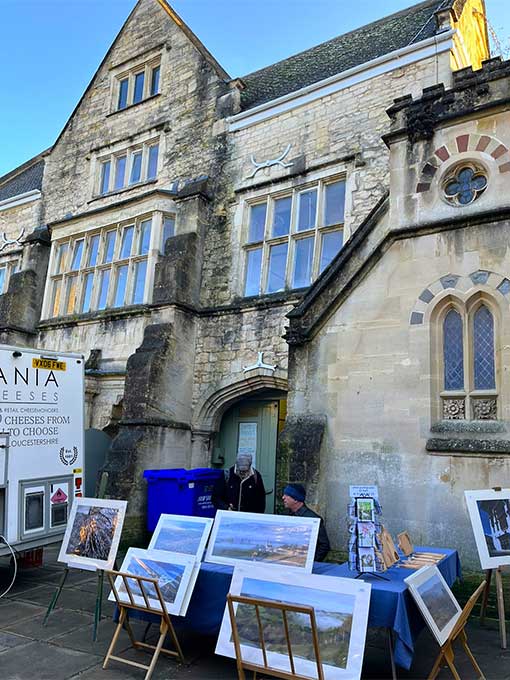
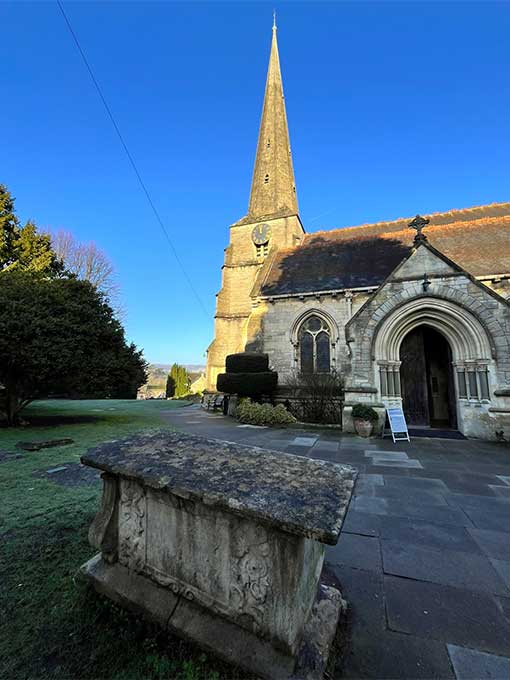
From Cornhill, head north up Union Street, cross the High Street and you’ll reach The Shambles — a narrow medieval lane lined with timber-framed buildings. This is one of the oldest parts of Stroud and has hosted market stalls for centuries; the name “Shambles” refers to the old butchers’ benches, traces of which you can still spot today. Look out for a blue commemorative plaque on the market hall on the left that marks the spot where John Wesley preached from the butchers’ blocks in 1742. Opposite you’ll find the Old Town Hall, originally a free-standing 16th-century wool and cloth exchange, This is my favourite stretch of the market, as it naturally leads away from the bustle to the calm of St Laurence’s Church, with its 14th-century tower and spire. Now the Stroud Centre for Peace & the Arts, it’s often open on Saturdays — and yes, there’s coffee here too!
If you’d like a flavour of the market atmosphere, see this charming Swedish TV travel film from 2023 featuring Stroud Farmers’ Market. Welcome to Stroud Farmers’ Market – Fresh N Local. You may not understand the commentary, but the interviews with locals are quintessentially Stroud.
By lunchtime, it’s time to fully embrace the foodie theme. Head back down Union Street for lunch at Juliet Restaurant on London Road — one of Stroud’s standout dining spots. Walk-ins are encouraged, but booking ahead is wise since it received 10/10 across the board from Giles Coren, The Times food critic, who described it as: “… a timeless, friendly, entirely unpretentious, beautiful modern bistro serving perfectly executed, classically inspired dishes, quietly and elegantly.”
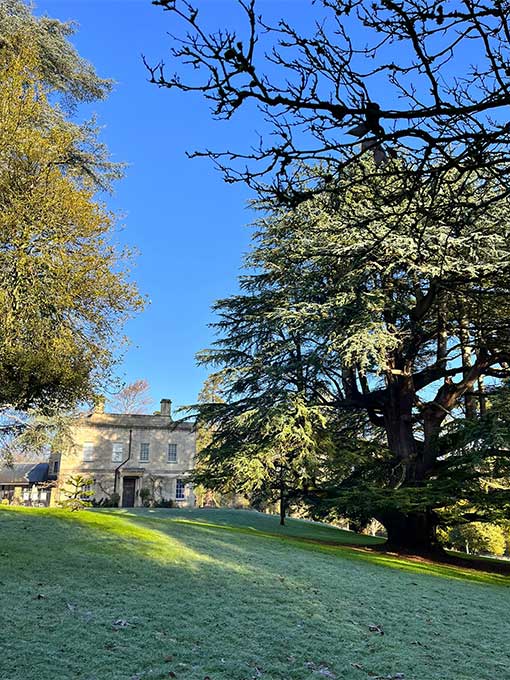
After lunch, a gentle walk across town brings you to leafy Stratford Park and the excellent Museum in the Park, housed in a 17th-century wool merchant’s house. Winner of Best Museum & Art Gallery at the Slow Travel Cotswolds Awards 2024, it’s far more engaging than you might expect, with exhibits covering social history, archaeology, geology, industry and the natural world – and it’s free entry!
As a gardener I loved the walled garden – and there’s a very good café too, should you still have room. On the walk from Juliet Restaurant to the park, you’ll pass the elegant Subscription Rooms on the right, a Grade II-listed Georgian building that remains a key arts venue. Famously, The Beatles played here in 1962, before they became household names.
What I love most about Stroud is its authentic earthiness and gentle quirkiness – the occasional faint whiff of marijuana as I wander the streets is an endearing reminder of the town’s long-standing hippie vibe. Compared with other small Cotswolds towns, it is unique.
If Stow-on-the-Wold represents the classic North Cotswolds — think tweed, Range Rovers, the Daily Telegraph and Jeremy Clarkson — then Stroud is its South Cotswolds counterbalance: VW campers, dreadlocks, sourdough, The Guardian and Dale Vince. An oversimplification, of course, but you’ll know what I mean!
10 January 2026